Keeping Your Knees Strong: A Health Guide For Seniors to Maintain Mobility in Assisted Living
Knee strength is not about gritting your teeth and pushing through pain. Most of the time, it is about keeping everyday movement comfortable and steady so walking, getting up from a chair, and stepping up a curb stay within reach.
For older adults considering assisted living, that kind of mobility can feel like the difference between an occasional good day and days that stay reliably enjoyable.
Simpler days can support knee health, too, because less strain in the background leaves more energy for the small, steady movements that keep your legs working well. A routine that fits your real life usually does more for mobility than a burst of intense effort that is hard to repeat.
Strong Knees Start With Easier Days Instead of Harder Workouts
Knees do their best work when the rest of life is not constantly draining energy. Days filled with errands, heavy chores, and the stress of managing everything alone can leave less capacity for the movements that build strength.
In senior assisted living, fewer daily burdens can make it easier to keep a simple routine that supports mobility. Movement that helps your knees can be moderate and still count toward activity recommendations for older adults.
A routine that includes a short walk after breakfast, a few minutes of gentle strengthening before dinner, and regular balance practice can build steadier steps over time. Consistency matters more than perfection, and a calmer day often makes consistency easier.
Daily Rhythm Turns Mobility Into A Habit You Can Keep
Many people fall into a start and stop cycle. Knee discomfort flares up, activity drops, muscles weaken, then the next attempt at walking feels harder than it should.
A more sustainable approach treats mobility like a daily rhythm, not an all or nothing project. Helpful habits are usually small enough to repeat on a normal day.
In a setting that supports routine, dining routines that keep energy steady can make it easier to stick with light movement.
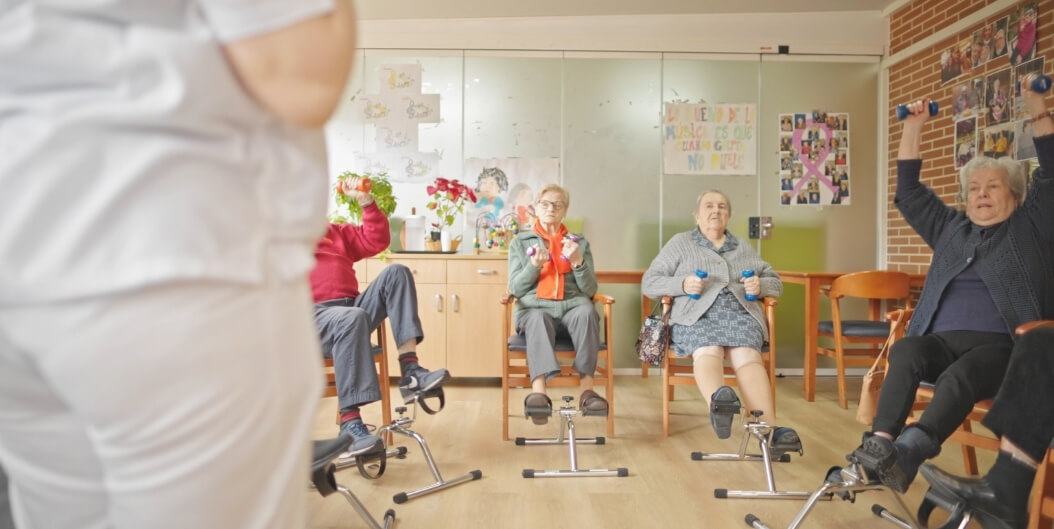
In the right environment, supports like a route you can walk without worrying about traffic, a chair you trust for sit to stand practice, and common areas that invite light movement all help that rhythm. Group activities can help too, because they give the day a reason to get up and move, even when motivation is low.
Smart Comfort Keeps You Moving Without Feeling Reckless
Fear of making knee pain worse can quietly shrink a person’s world. Smart comfort is the middle path between ignoring discomfort and giving up on movement entirely.
The goal is to scale activity up or down without quitting, while paying attention to how your knees respond. Many seniors find it helpful to aim for movement that feels like effort, not punishment.
Choosing shorter sessions, low impact options, and regular rest can keep momentum alive. Heat or cold can help some people after activity, and supportive shoes can change how walking feels, especially on harder surfaces.
A conversation with a clinician or physical therapist can also help you choose the right moves for your body, particularly if swelling, instability, or sharp pain shows up.
Balance Builds Trust In Your Legs Again
Knee health and fall confidence are closely connected. Situations like quick turns, stepping onto a threshold, or walking on uneven ground can feel uncertain when your legs do not feel reliable.
Strength alone is not the whole answer, because stability matters too. Balance practice can be gentle and still meaningful.
Simple drills such as standing tall while holding a counter, shifting weight slowly side to side, and practicing controlled steps can build steadier reactions. Over time, that kind of training can improve balance and reduce falls risk, so mobility feels safer and more predictable instead of something you have to brace for.
What To Look For In Assisted Living That Helps Your Knees
Assisted living is not a fitness program, but the right environment can make healthy routines easier to stick with. When touring assisted living in granbury tx, look for details that reduce friction, support safe movement, and make it pleasant to stay active.
A Few Practical Signals To Notice
- Walkable indoor routes that feel comfortable and well lit
- Outdoor spaces that invite short, regular walks when weather allows
- Safety details that support confidence, such as handrails and accessible layouts
- Social connection that encourages daily movement, not just occasional events
- Dining routines that support steady energy for activity, without making meals feel medical
Assisted living for seniors can also support mobility by taking pressure off the parts of the day that drain your legs. Ask whether assisted living apartments, suites, or shared layouts feel easy to navigate, especially at night or when your knees are tired.
Help with certain tasks can protect your energy so the effort you do spend goes toward the things that keep you strong.
Want to Keep Your Knees Strong and Maintain Your Mobility? Find Friendly Routines Going at Waterview The Cove Assisted Living Today
If you are exploring assisted living granbury texas, a tour can help you picture how your day would flow and how your knees might feel within that routine. Waterview The Cove Assisted Living can be a place to ask practical questions about walking routes, day to day supports, and the kinds of activities that help you stay steady on your feet.
A personal tour is also a good time to talk through what helps you feel safe while staying active, including pacing, balance friendly spaces, and when extra support makes movement feel more manageable.